

Nature's Mascots
Why is nature important to living things?
Kinder to Year 2 students are encouraged to explore this question through Parks Victoria’s free early years education program: Nature’s Mascots.
The Nature’s Mascots program is a place based, inquiry program which connects students to their local green spaces through one of ten Nature’s Mascots that represents their local ecosystem.
| Ecosystem |
Mascot Animal |
| Alps | Alpine Tree Frog |
| Coastal | Red-necked Stint |
| Dry Forests | Brush-tailed Phascogale |
| Grasslands | Striped Legless Lizard |
| Heathlands | White-footed Dunnart |
| Inland Waters and Wetlands | Platypus |
| Mallee | Malleefowl |
| Marine | Giant Australian Cuttlefish |
| Urban | Grey-headed Flying Fox |
| Wet Forests and Rainforests | Yellow-bellied Glider |
Supporting resources strongly link to the Levels A-D and Foundation-Year 2 Victorian Curriculum areas of Science, Geography, Critical and Creative Thinking and the cross-curriculum priorities of Sustainability and Aboriginal Histories and Cultural along with connections to the five outcomes in the Victorian Early Years Learning and Development Framework.
The program and its accompanying resources are based on Parks Victoria's Learning for Nature education philosophy: Connect, Learn, Protect. This structure is designed to:
- build on early connections to nature and local places
- strengthen resilience and belonging to community
- foster pro-environmental values
The Nature's Mascot program was funded by the Department of Education through their Strategic Partnerships Program.
Program in action: Kingslake Primary School case study
The video below is a case study of Kinglake Primary School’s experience integrating the Nature’s Mascot education program into their Foundation – Year 2 inquiry unit.

A sample of resources to support students to connect with and learn about one of the ten Nature's Mascots.
Nature’s Mascots Teaching and Learning Resource Packs
Our Resource Packs can be downloaded from ParkConnect and used as a full unit of work.
We encourage teachers to adapt and use the activity ideas to suit their students' needs, inquiries and interests.
Request Resource PackSupporting resources
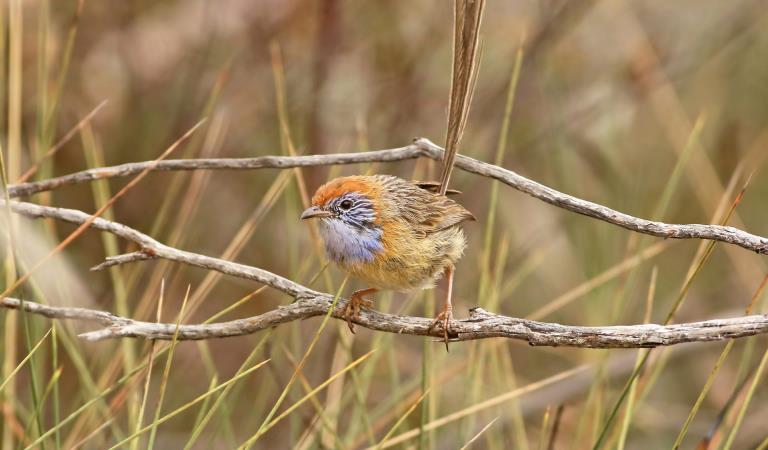
Conservation Storytelling
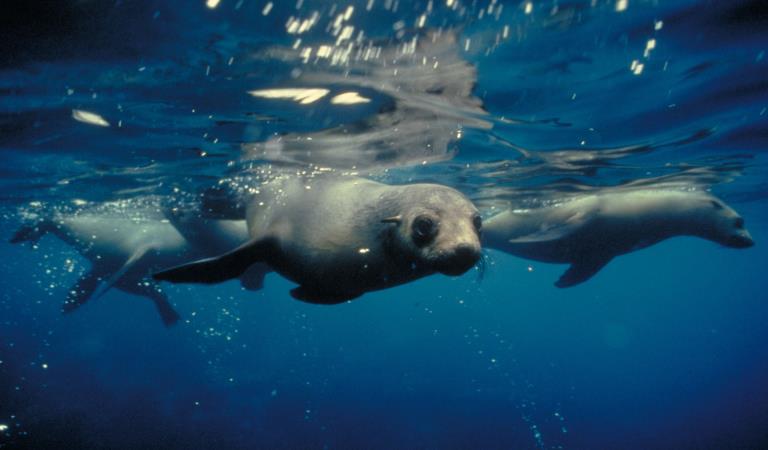
Information Posters
Nature's Mascot
Educators can choose to purchase a Nature’s Mascot toy to support student learning. We would encourage you to support locally made toy manufacturers and/or people who follow fair trade principles.
The Teaching and Learning resource pack contains information about suggested suppliers of Nature’s Mascots.
Acknowledgement of Country
No matter where we are in Australia, we're walking on someone’s Country. We are all so fortunate to play, learn and live on the lands and in the waters of the oldest living cultures on Earth. Use the resources below to learn about whose Country you're learning on.
Registered Aboriginal Parties of Victoria
Explore the Registered Aboriginal Parties map to find out whose Country your school is on. Links to each Aboriginal group's webpage provide further details about how to get in contact and make connections with your local Traditional Owners.
Managing Country Together
Parks Victoria is proud to have the opportunity to work in partnership with Traditional Owners to care for this special Country. Our Managing Country Together team helps to guide the whole organisation to build strong and meaningful partnerships with Traditional Owners. Find out more on the Managing Country Together webpage.
NAIDOC teaching resources
The NAIDOC teaching ideas developed by the National NAIDOC Committee relate directly to supporting teachers in addressing The Australian Curriculum: Aboriginal and Torres Strait Islander Histories and Culture cross-curriculum priority.
Literacy resources
Our literacy resources help young learners to build on their understanding of Aboriginal culture and nature conservation through informative text and engaging visuals.
- Download our list of Picture Story Books that support Nature's Mascot program (PDF 577 kB).
- Our Victoria's protected places map (PDF 11.6 MB) and Victoria's protected places – ecosystem map (PDF 6 MB) can be used to explore and learn about the protected places and ecosystems near your school.
Park Victoria's Nature's Mascots program
This program tells incredible conservation stories in an age-friendly way by using cute and cuddly or weird and wonderful heroes to represent our key ecosystems.
Park Explorers - overview for educators
This program encourages upper primary school students to discover and care for their natural spaces through place-based inquiry learning.
Parks for everyone
Victoria’s protected places are for everyone. Find out how Parks Victoria creates experiences that encourage people from all backgrounds and abilities to explore and engage with our amazing natural places.
Learning From Landscapes Environmental Management Webinar
This webinar dives deep into local ecosystems to uncover key conservation issues and what our community is doing to help.
Learning from Landscapes Water in the World Part 1
Find out about the water cycle, water management, sustainability, and how water connects people and places.
Creating Victoria's largest conservation sanctuary at Wilsons Promontory National Park
Through the Prom Sanctuary project, Wilsons Prom will become a 50,000-hectare climate change safe haven for Victoria's rich wildlife and habitats.