

Opening the floodgates on shorebird habitat recovery at Avalon Coastal Reserve
Tuesday 10 November, 2026
The low-lying Avalon Coastal Reserve on the shores of Port Phillip Bay may not be at the top of many people’s must-visit lists, however following recent works, Parks Victoria is hoping to attract flocks of very picky visitors to the reserve - thousands of migratory shorebirds.
Avalon Coastal Reserve was formerly a saltworks, with a network of ponds and channels constructed to produce salt from seawater. While those modifications changed the natural tidal processes of the area, many of the old saltpans have since become valuable habitat for coastal birdlife.
Today, the reserve's mix of saltmarsh, wetlands, lagoons, and open space provides habitat for a range of important native species, and numerous migratory shorebirds who visit each year.
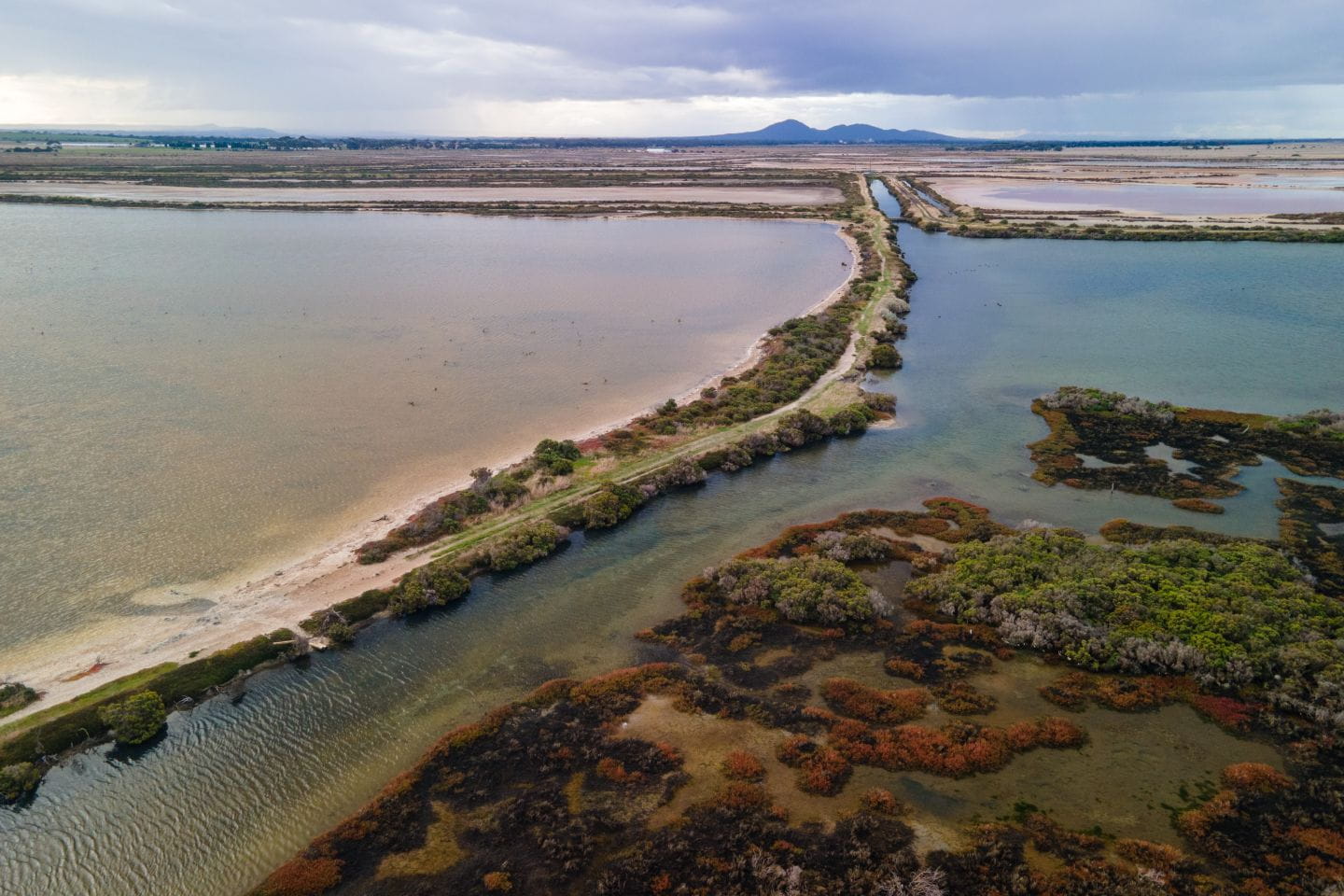
Above: An aerial view of Avalon Coastal Reserve, looking back to the You Yangs.
Parks Victoria Senior Conservation Officer Catherine Clowes said Avalon was “chock-a-block full” of nationally important biodiversity values.
“Avalon Coastal Reserve provides habitat for close to 30 listed migratory shorebirds, and several critically endangered and threatened species including Curlew Sandpipers, and the Orange-bellied Parrot,” Catherine said.
“It has a huge number of important cultural values across the site as well.”
Improving the existing coastal saltmarsh habitat is a key focus at Avalon, with recent infrastructure works having taken place to restore the reserve’s natural tidal processes.
“Late last year we installed a new pump to better redirect water between the ponds, ensuring that there is water reaching the drier areas which in turns provides for healthier habitat for shorebirds and native vegetation,” Catherine said.

One of the dry and mostly barren ponds at Avalon Coastal Reserve prior to the new pump being installed.

Once the new pump was installed, water was directed into more of the dried saltworks ponds, significantly increasing the amount of healthy shorebird habitat.

The previously dry ponds are now teeming with life, and are particularly important for the migratory shorebirds which visit each year.

Red-necked Stints are the smallest migratory shorebirds to visit Avalon, weighing just 25-30 grams.
Credit: Paddy Naughtin
Parks Victoria Ranger Ruth Woodrow said on-ground impacts of the works were already being seen.
“One of the amazing things about having the pump up and working is seeing just how much the wildlife has responded to it. Within just a couple of months after installation a survey was conducted where 2500 shorebirds were spotted earlier this year,” Ruth said.
“That number included about 74 Banded Stilts, who are extremely selective about their habitat and only gather in large numbers where conditions are just right - their return to Avalon is an important indicator that we’re on the right track.”
The site’s degraded floodgates from its time as a saltworks have also been removed. Some of these gates had been broken in a permanently closed position, significantly restricting the natural tidal flow into the reserve.

The old saltworks floodgates had been left broken and closed, significantly restricting the amount of tidal influence on the reserve.

Parks Victoria has reopened the floodgates to allow water to flow in and out of the reserve more naturally.
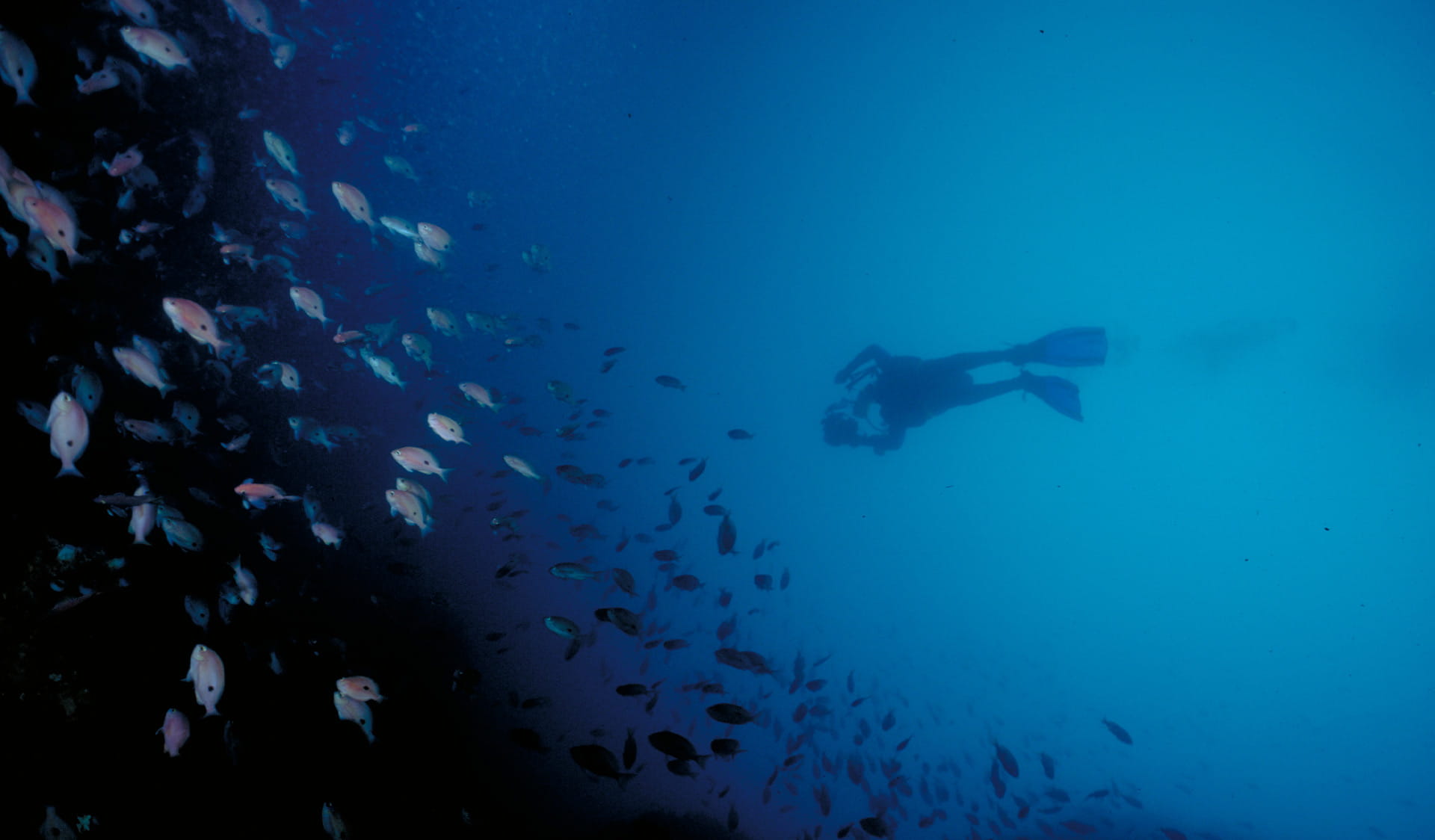
“These floodgates are the only places that allow genuine tidal influence into the rest of the lagoon. By removing these gates and opening it back up we’re able to better passively restore some of these important habitat values,” Catherine said.
Further works are planned across the site, with culverts set to be installed into several other old saltpans that are currently disconnected from the tide. Reconnecting these areas will help restore coastal saltmarsh habitat, while strengthening the broader habitat network.
Migratory shorebirds like Sharp-tailed Sandpipers, Red-necked Stints, Bar-tailed Godwits and Eastern Curlews, and other bird species like Banded Stilts, Red-necked Avocets and Red-capped Plovers, will soon be reaping the benefits of these works.

Red-capped Plovers are commonly found at Avalon Coastal Reserve
Credit: Paddy Naughtin

Bar-tailed Godwits are one of the larger shorebirds to visit Avalon, and hold the record for longest non-stop flight of any species - a whopping 11 days from Alaska to south-eastern Australia.
Credit: Paddy Naughtin

Sharp-tailed Sandpipers regularly visit shallow wetlands across Victoria.
Credit: Paul Dodd

The presence of Banded Stilts are a good indicator of healthy wetlands.
Credit: Paul Dodd

Curlew Sandpipers are considered vulnerable by the IUCN, making healthy wetlands like Avalon Coastal Reserve important to their survival.
Credit: Paul Dodd

Marsh Sandpipers feed by wading briskly in shallow water, pecking from the surface or sometimes sweeping their bill from side to side.
Credit: Paul Dodd
“All these shorebirds feed on the mudflats and saltpans when the tide is out. However, what Avalon provides is a place where they can continue feeding despite what the tide is doing in the bay,” Ruth said.
“These migratory birds need to spend all their time feeding in order to build up enough fat reserves to survive the long journey back north to Siberia and Asia.
“While there’s plenty of places they can feed along the coastline, there’s not many areas where they can feed at high tide, and this is what makes Avalon Coastal Reserve so important to their survival.”
It’s also hoped the improved habitat will continue to support one of Australia’s rarest birds, the critically-endangered Orange-bellied Parrot.
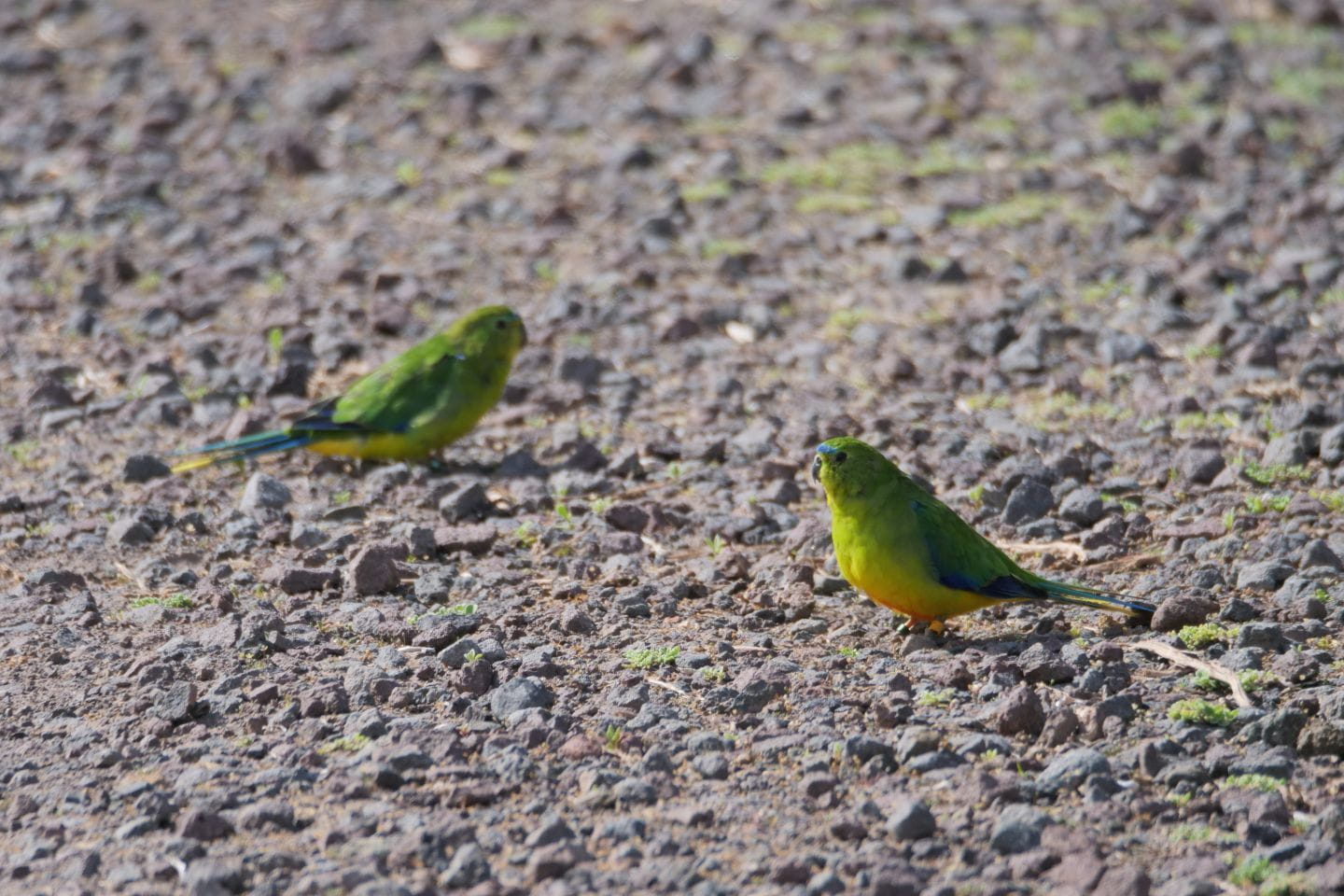
Above: Critically endangered Orange-bellied Parrots have been spotted in areas close to Avalon Coastal Reserve. Credit: Paddy Naughtin.
Each year, Orange-bellied Parrots leave their breeding grounds in remote southwest Tasmania and cross Bass Strait to spend winter along the coastline of Victoria and South Australia, feeding on seeds from grasses, herbs and other plants growing in saltmarsh and coastal wetlands.
With so few birds left in the wild (some estimates are around 100), their recovery depends not only on captive breeding programs and predator control, but also on maintaining a network of suitable places where they can feed, rest and shelter during their migration.
While no sightings of the rare parrots were recorded during surveys at Avalon Coastal Reserve this year, there were numerous sightings at locations nearby - a reminder that every suitable patch of habitat is important for the survival of the Orange-bellied Parrot.
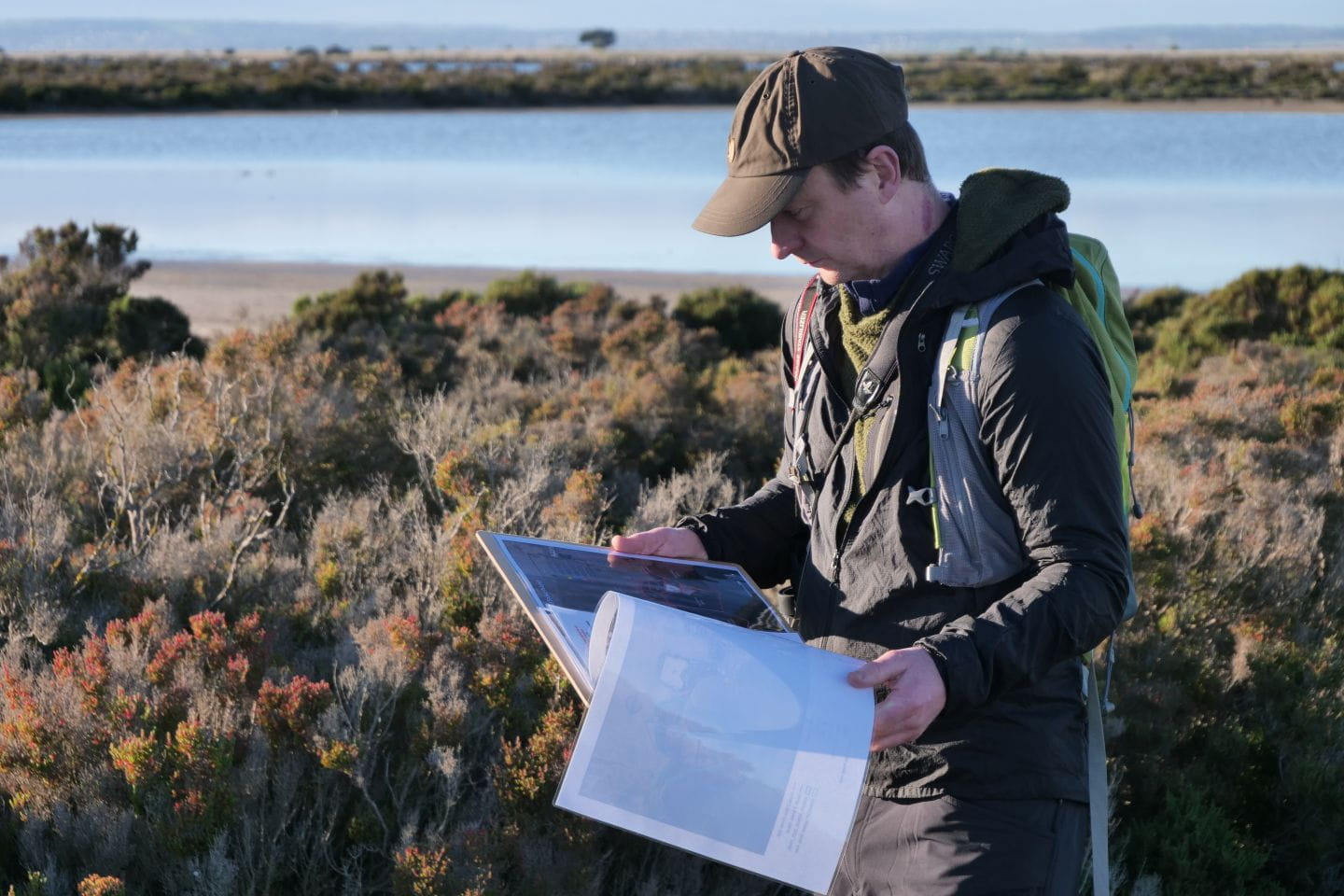
Above: Parks Victoria, Birdlife Australia and volunteers conduct regular surveys for the Orange-bellied Parrot at Avalon Coastal Reserve.
“Not recording Orange-bellied Parrots at Avalon this season is still useful information,” Catherine said.
“By improving tidal movement into the main ponds and reconnecting the old saltpans, we can help restore saltmarsh and shorebird habitat while also supporting the coastal plants Orange-bellied Parrots feed on.”
Through this continued monitoring and restoration, the works at Avalon Coastal Reserve are helping strengthen the coastal habitat network around Port Phillip Bay, while also keeping the reserve ready for future visits from Australia’s most threatened and remarkable migratory birds.
Related news

New and expanded parks to protect nature, cultural heritage and outdoor experiences
Several new and expanded parks and reserves across Victoria’s central west and Mirboo North are entering a new chapter, helping protect some of the state's most significant natural and cultural landscapes while ensuring people can continue to enjoy the outdoors for generations to come.

Future proofing an endangered orchid
A new chapter has begun for one of Victoria's rarest native orchids, thanks to a collaborative conservation effort between Royal Botanic Gardens Victoria and Parks Victoria scientists, volunteers and other staff.

New signs of hope for threatened species in the Western Grasslands Reserve
Threatened plants and animals are showing encouraging signs of recovery in the open grasslands west of Melbourne, as long-term restoration work across the Western Grasslands Reserve begins to take hold.